Introduction
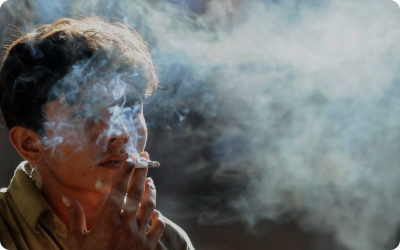
Tobacco use among adolescents poses significant health risks and contributes to long-term addiction. At Mother Child Health Nepal (MOCHEN), we are deeply committed to addressing this issue through comprehensive, targeted programs aimed at reducing tobacco consumption among young people. Our multi-faceted approach includes education, counseling, and active community engagement to foster a tobacco-free generation.
Educational Programs
Education is the first line of defense in preventing tobacco use among adolescents. MOCHEN’s educational programs focus on providing accurate information about the dangers of tobacco, debunking myths, and promoting healthy lifestyles.
Key Initiatives:
- School Workshops: Conducting interactive sessions in schools to educate students about the health risks associated with tobacco use, including lung cancer, heart disease, and respiratory issues.
- Peer Education: Training adolescent peer educators to spread awareness about tobacco’s harmful effects and to support their peers in making healthier choices.
- Educational Materials: Distributing pamphlets, posters, and digital content that highlight the risks of tobacco use and the benefits of a tobacco-free life.
Counseling and Support
Counseling plays a crucial role in helping adolescents who are already using tobacco or are at risk of starting. MOCHEN provides access to counseling services that offer personalized support and strategies for quitting.
Key Initiatives:
- Individual Counseling: Offering one-on-one counseling sessions to adolescents to address their specific challenges and provide tailored quitting strategies.
- Support Groups: Creating support groups where young people can share their experiences, encourage each other, and receive guidance from trained facilitators.
- Family Involvement: Engaging family members in the counseling process to create a supportive environment at home that reinforces the decision to quit.
Community Engagement
Community involvement is essential for creating a supportive environment that discourages tobacco use. MOCHEN actively engages with community leaders, schools, and local organizations to promote a tobacco-free culture.
Key Initiatives:
- Community Campaigns: Organizing community-wide campaigns and events to raise awareness about the dangers of tobacco and to promote healthy alternatives.
- Youth Clubs: Establishing youth clubs that focus on healthy living, sports, and creative activities as alternatives to tobacco use.
- Collaborations: Partnering with local schools, health centers, and NGOs to amplify the reach and impact of our anti-tobacco initiatives.
Impact and Success Stories
MOCHEN’s efforts to reduce tobacco use among adolescents have yielded promising results. Through our educational programs, counseling services, and community engagement activities, we have seen a noticeable decrease in tobacco consumption and an increase in awareness about its dangers.
Anjali Thapa, Gorkha: “The tobacco and substance abuse control initiatives by MOCHEN have transformed lives in our area. Many individuals, including myself, have benefited from their informative sessions and support groups. I’m grateful for their dedicated efforts in promoting a healthier lifestyle.”
Ramesh Koirala, Nawalparasi: “Thanks to MOCHEN’s peer education program, I learned about the harmful effects of tobacco from my classmates. This made a huge impact on me, and I decided to quit smoking. The support group helped me stay tobacco-free and focused on my studies and sports.”
Conclusion
Addressing tobacco use among adolescents is critical to safeguarding their health and ensuring a healthier future. MOCHEN’s comprehensive approach, which includes education, counseling, and community engagement, is making significant strides in reducing tobacco consumption among young people. We remain committed to continuing these efforts and expanding our programs to reach even more adolescents, helping them to lead healthier, tobacco-free lives.